
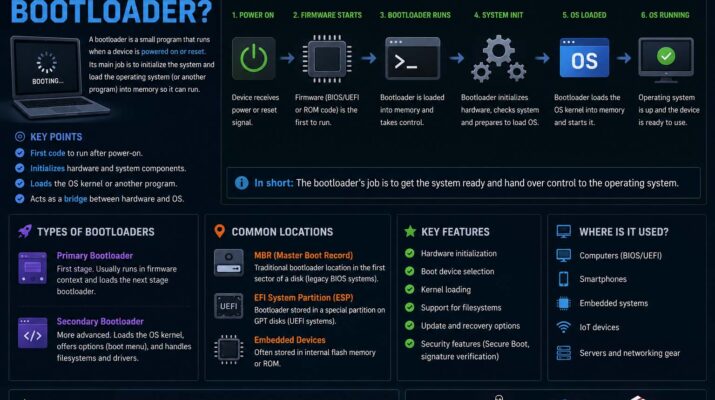
Technology users often hear the term “bootloader” when dealing with smartphones, computers, or embedded systems, but many people still ask, what is a bootloader and why is it important? A bootloader is a small but essential program that starts when a device powers on. Its main job is to prepare the hardware and load the operating system into memory so the device can function correctly. Without a bootloader, a phone, computer, or microcontroller would not know how to start the software needed for operation.
The bootloader acts like a bridge between the hardware and the operating system. Every electronic device that runs software usually contains some form of bootloader. Whether it is a smartphone, tablet, computer, gaming console, or IoT device, the plays a critical role during startup. Understanding how it works can help users troubleshoot devices, install firmware, and better understand modern technology systems. Learning basic coding concepts can also help beginners understand how bootloaders interact with software.
What Is a Bootloader in Microcontroller
One common question among electronics students and embedded system developers is what is a in microcontroller. In a microcontroller, the is a lightweight program stored in a reserved section of memory. It allows developers to upload firmware or software into the microcontroller without requiring specialized programming hardware every time.
Microcontrollers are used in countless devices such as home appliances, robotics, industrial machines, automotive systems, and smart gadgets. When the microcontroller powers on, the checks the memory and decides whether to launch the main application or enter programming mode. This process makes firmware updates much easier and more efficient.
For example, many popular development boards like Arduino use bootloaders to simplify programming. Instead of using a dedicated external programmer, users can connect the board through USB and upload code directly from a computer. The receives the code, writes it into memory, and then runs the application.
What Is a Bootloader?
Many beginners searching for technical information simply ask, what is a ? In simple terms, a is the first software that runs when a device is powered on. Its purpose is to initialize the hardware and start the operating system or main application.
The startup process begins the moment the power button is pressed. The processor looks for instructions stored in memory, and the provides those instructions. It checks hardware components such as memory, storage devices, processors, and input systems to ensure everything is functioning correctly. Once the checks are complete, the loads the operating system kernel into RAM and transfers control to it.
Different devices use different types of bootloaders. Computers commonly use bootloaders such as GRUB or Windows Boot Manager. Smartphones use specialized bootloaders designed for mobile operating systems. Embedded systems and microcontrollers often use custom bootloaders tailored for specific hardware.
Bootloaders can also support multiple operating systems. On computers, users sometimes install dual-boot systems where Linux and Windows exist on the same machine. The bootloader presents a menu allowing the user to choose which operating system to start. Readers interested in hardware careers may also explore computer engineering vs computer science.
What Is a Bootloader Android
Smartphone users frequently search for information about what is a bootloader android because Android devices offer advanced customization options. In Android smartphones, the bootloader controls how the device starts the Android operating system. It verifies system files and ensures the software environment is secure before launching Android.
Android bootloaders are usually locked by manufacturers. A locked prevents users from installing unofficial operating systems or modifying system files. This restriction helps protect device security and ensures the phone runs stable manufacturer-approved software.
However, many advanced users choose to unlock the Android . Unlocking allows installation of custom ROMs, modified kernels, and advanced recovery tools. Developers and enthusiasts often unlock bootloaders to gain root access, improve performance, or customize the appearance and functionality of their devices.
Although unlocking the bootloader offers flexibility, it also comes with risks. Some manufacturers void warranties after unlocking. An unlocked bootloader may reduce device security because unauthorized software can potentially be installed. Users may also accidentally damage system files, causing the device to malfunction.
The Android bootloader process typically includes several stages. First, the device hardware initializes. Then the checks security settings and verifies the operating system image. Finally, the Android kernel loads and starts the user interface. This sequence happens within seconds every time the phone powers on. If startup problems occur, guides on how to stop apps from crashing may help with software-related troubleshooting after the device boots successfully.
What Is a Bootloader on a Phone
Another frequently asked question is. On any smartphone, whether Android or another operating system, the bootloader manages the startup sequence and ensures the phone software loads properly.
When a phone is powered on, the activates immediately. It checks the hardware, verifies system integrity, and loads the operating system into memory. Without the bootloader, the phone would remain unable to start.
Phone bootloaders are especially important because smartphones store sensitive personal information such as passwords, banking apps, emails, and photos. Manufacturers design bootloaders with strong security features to protect user data. Secure boot systems verify digital signatures and block unauthorized software modifications.
In modern smartphones, the also controls access to recovery mode and firmware updates. If a phone experiences software corruption, the bootloader may still allow recovery tools to repair the operating system. This feature can save devices from becoming permanently unusable.
Some users confuse the bootloader with the operating system itself, but they are completely different. The is only responsible for starting the system. Once Android or another operating system loads successfully, the bootloader’s task is complete.
Conclusion
Understanding what is a bootloader helps users appreciate the technology behind modern devices. A bootloader is the foundational software that starts a device, prepares the hardware, and launches the operating system. From computers and smartphones to embedded systems and microcontrollers, bootloaders play a critical role in device functionality.
Learning what is a bootloader in microcontroller reveals how embedded devices receive firmware updates and operate efficiently. Exploring what is a bootloader android explains how Android devices maintain security while allowing advanced customization. Understanding highlights the importance of secure startup systems in protecting personal data and ensuring reliable operation.